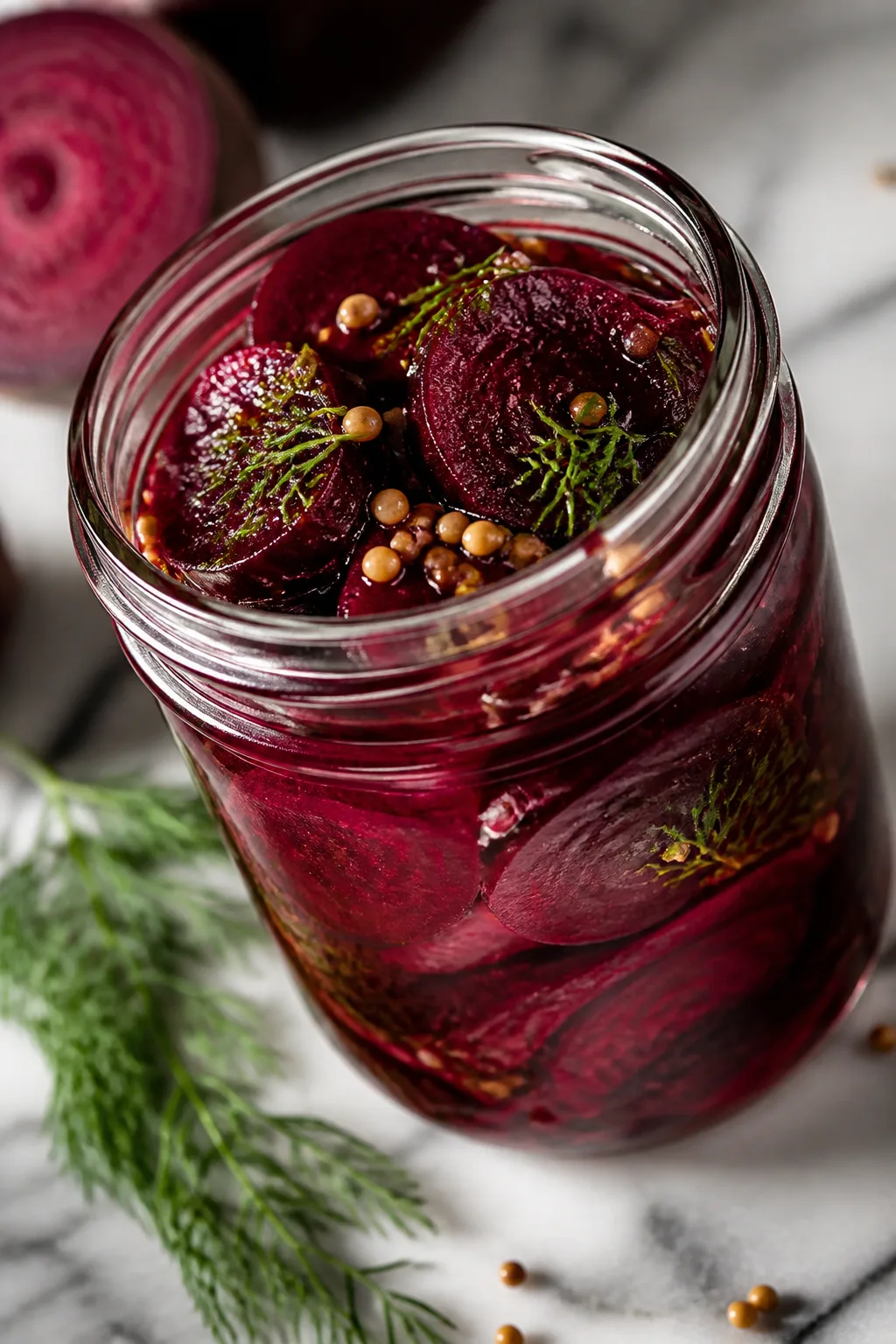
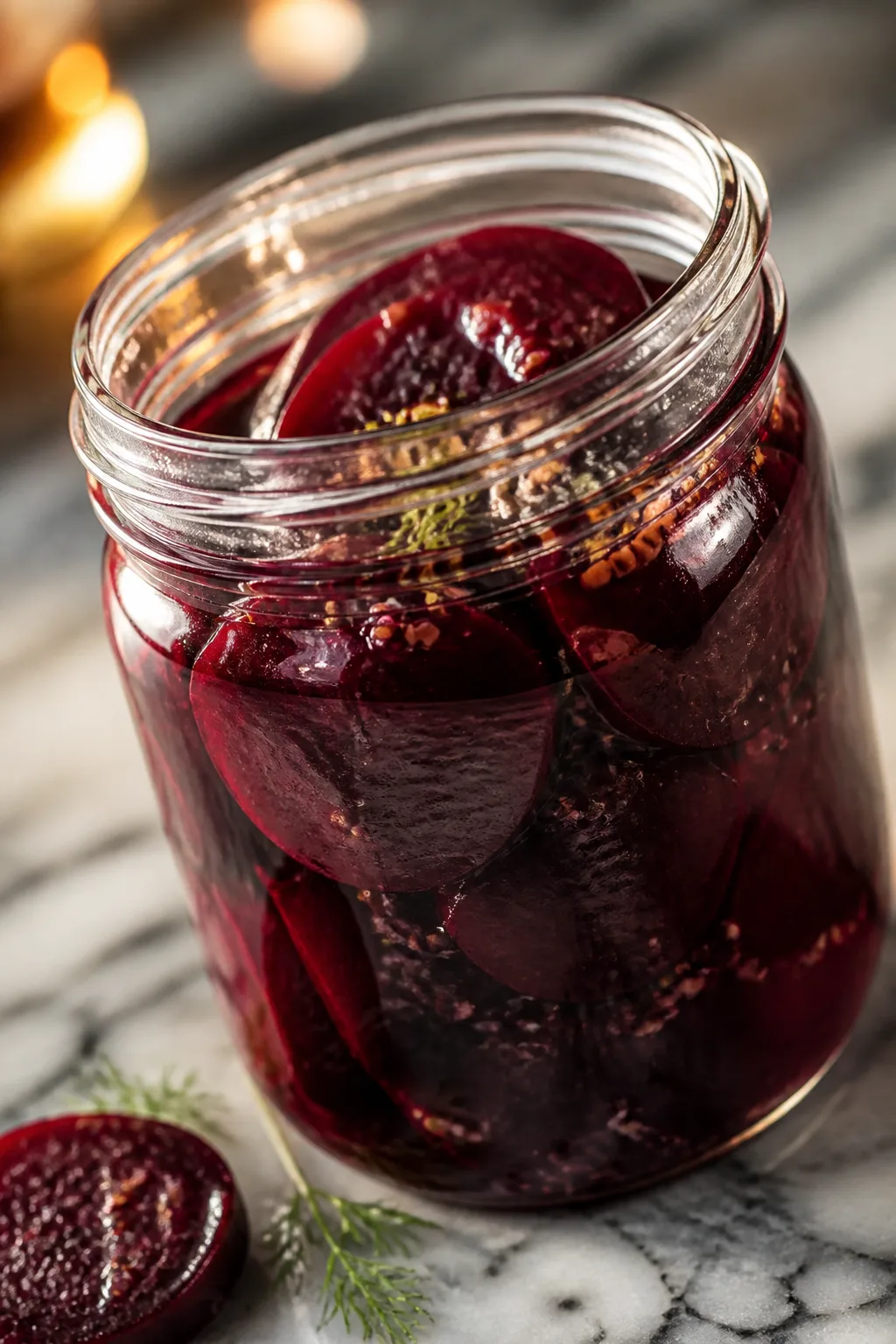
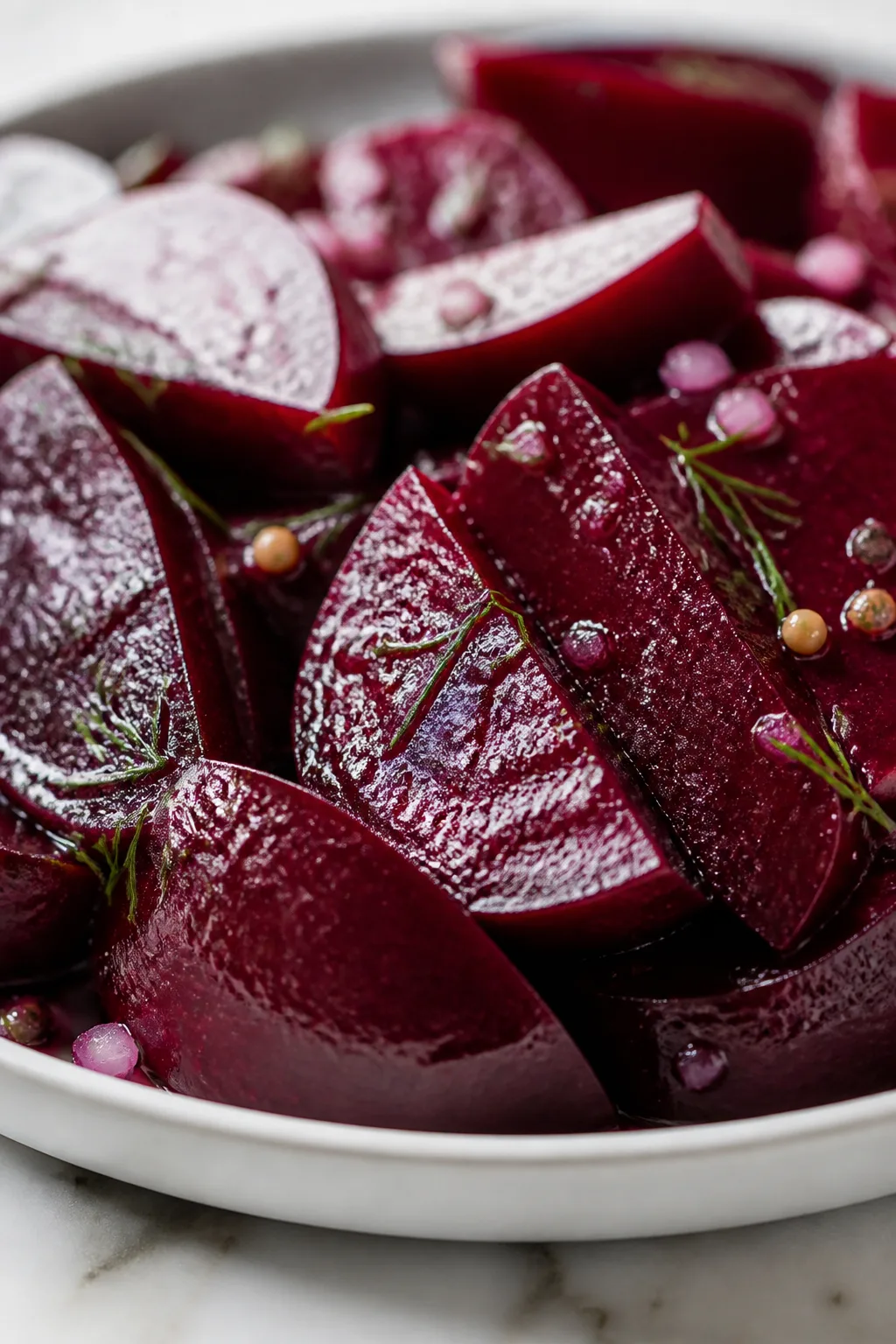
These pickled beets are a bright, tangy treat that add a sweet crunch to any dish. With a straightforward vinegar and spice blend, they’re perfect for salads, sandwiches, or just snacking anytime.
Introduction
I first stumbled upon pickled beets during a summer farmers market visit years ago and instantly fell in love with their vibrant color and that perfect balance of sweet and tangy. Making them at home has become a little ritual for me because it’s surprisingly simple and so rewarding. What I love about this recipe is how it uses straightforward pantry staples — no fancy ingredients needed — but still delivers those deep flavors you expect. I learned that gently simmering the vinegar, sugar, and spices before pouring over the beets really helps the flavors meld beautifully. Also, slicing the beets evenly ensures they pickle uniformly, giving you that satisfying crunch in every bite. This batch stays fresh in the fridge for weeks, making it a perfect easy side for salads, sandwiches, or even as a tangy snack. Honestly, once you make these, you’ll want to keep a jar handy all the time.
What You'll Need
Approximately 3 cups pickled beets, 4 servings
- 4 medium fresh beets, peeled and sliced into 1/4 inch rounds
- 1 cup white vinegar
- 1/2 cup water
- 1/2 cup granulated sugar
- 1 tablespoon kosher salt
- 1 teaspoon whole black peppercorns
- 2 cloves garlic, peeled and smashed
- 1 teaspoon mustard seeds
- 1/2 teaspoon ground cinnamon
- 1 bay leaf
How To Do It
Step 1
Start by washing and peeling your beets carefully. Slice them into uniform 1/4 inch rounds to ensure even pickling — this thickness keeps them tender but still crunchy after soaking. Uneven slices can lead to some pieces getting mushy while others stay too firm. Place the sliced beets in a medium saucepan and cover with water. Bring to a boil, then reduce heat and simmer for about 15 minutes until they’re just tender but not falling apart. This step is crucial because it softens the beets slightly, making them absorb the pickling liquid better. Drain the beets and set aside.
⏱ Time: 20 minutes
✓ Doneness: Beets are fork-tender but still hold their shape without breaking apart
Step 2
In a separate saucepan, combine the vinegar, water, sugar, kosher salt, black peppercorns, garlic cloves, mustard seeds, cinnamon, and bay leaf. Bring this mixture to a simmer over medium heat, stirring occasionally until the sugar and salt dissolve completely. This hot pickling brine is what infuses the beets with that signature tangy-sweet flavor. Don’t rush this step — allowing the spices to warm up releases their essential oils and deepens the taste. Once the brine is ready, carefully pour it over the drained beets in a heatproof container or jar, making sure the beets are fully submerged.
⏱ Time: 10 minutes
✓ Doneness: Brine is clear and aromatic with dissolved sugar and salt, fully covering the beets
Step 3
Let the jar cool to room temperature before sealing it with a tight lid. Cooling prevents condensation inside the jar which can dilute the brine and affect pickling. Once sealed, refrigerate the beets for at least 24 hours before eating — this waiting period allows the flavors to meld and the beets to develop that perfect tangy crunch. The longer you wait, the more flavorful they become, but I usually enjoy them after one full day. Always use a clean utensil when serving to keep your pickles fresh longer.
⏱ Time: 24 hours
✓ Doneness: Beets have vibrant color and a firm, tangy bite when tasted
Step 4
Before serving, give the jar a gentle shake to redistribute the spices and brine evenly around the beets. This helps keep the flavor consistent throughout. You can serve these pickled beets cold straight from the fridge, or bring them to room temperature for a softer flavor profile. They’re fantastic tossed into salads, paired with goat cheese, or added as a colorful side to grilled meats. The versatility makes them a pantry staple for me.
⏱ Time: 2 minutes
✓ Doneness: Spices are well mixed, beets glisten with the brine
Step 5
If you want to amp up the flavor, try adding fresh dill or red pepper flakes to the jar before refrigerating. Dill adds a fresh herbal note that pairs beautifully with the earthiness of beets, while red pepper flakes bring a subtle kick. Just be mindful not to overpower the natural sweetness — start with a small amount and adjust to taste. Experimenting with spices is a fun way to make this recipe your own.
⏱ Time: 5 minutes
✓ Doneness: Added herbs or spices are evenly distributed in the brine
Step 6
When slicing your beets, if you prefer a chunkier texture, cut them into wedges instead of rounds. Wedges hold up well in salads and give a hearty bite. However, they might take slightly longer to pickle thoroughly, so consider allowing an extra day in the fridge. This adjustment is great if you like a more robust beet presence on your plate.
⏱ Time: 5 minutes prep adjustment
✓ Doneness: Wedges are uniform in size to allow even pickling
Step 7
To make this recipe vegan and allergy-friendly, ensure your sugar is organic or unrefined to avoid bone char processing. Also, double-check your spices for any cross-contamination if allergies are a concern. These little details help keep the pickles safe and delicious for everyone at your table.
⏱ Time: N/A
✓ Doneness: Ingredients are verified and safe for chosen dietary needs
Step 8
If you want to preserve the pickled beets for longer storage outside the fridge, consider processing the jars in a hot water bath for 10 minutes after filling. This step sterilizes the jars and seals them properly, allowing shelf stability. Just be sure to follow safe canning guidelines to avoid spoilage.
⏱ Time: 15 minutes processing
✓ Doneness: Jars seal with a popping sound and no leaks
Step 9
Finally, always label your jars with the date you made the pickled beets. This helps you keep track of freshness and ensures you consume them within 3-4 weeks for optimal flavor and safety. Keeping your fridge organized this way prevents any unpleasant surprises later on.
⏱ Time: 2 minutes
✓ Doneness: Jar is clearly labeled with date and contents
Variations
Spicy Pickled Beets
Add a teaspoon of red pepper flakes or a sliced jalapeño to the brine before simmering. This gives the beets a nice heat that pairs beautifully with their natural sweetness. Expect a bolder flavor that wakes up your palate.
Note: Spices infuse as the brine cools, so adding fresh chili early ensures a balanced spicy kick without overpowering.
Dill Pickled Beets
Include fresh dill sprigs in the jar for a bright, herbal twist. Dill complements the earthy beets and adds a refreshing aroma, making these perfect for sandwiches or alongside fish dishes.
Note: Add dill after the brine is hot but before cooling to preserve its fresh flavor without turning bitter.
Honey-Sweetened Pickled Beets
Swap out granulated sugar with an equal amount of honey for a richer, floral sweetness. This variation deepens the flavor and adds complexity, ideal for those who prefer natural sweeteners.
Note: Honey dissolves slower than sugar, so simmer the brine a bit longer to ensure it’s fully incorporated.
Pickled Beet Wedges
Cut beets into thick wedges instead of slices for a heartier texture. Wedges hold their shape well and offer a satisfying bite, great for robust salads or as a snack.
Note: Wedges may require an extra day in the brine to pickle thoroughly due to their thickness.
Asian-Inspired Pickled Beets
Add a splash of rice vinegar and a teaspoon of grated ginger to the brine for an Asian twist. This creates a bright, zesty flavor with a hint of warmth and spice.
Note: Balance the acidity carefully to maintain the pickling effect while introducing new flavor layers.
Pro Tips
Use uniform slices for even pickling.
When beet slices are the same thickness, they cook and absorb the brine evenly. Uneven slices can lead to some pieces being mushy while others remain too firm, ruining the overall texture and experience.
Simmer the brine to fully dissolve sugar and salt.
Heating the vinegar mixture ensures the sugar and salt dissolve completely and the spices release their flavors effectively. Skipping this step can lead to gritty brine or weak flavor infusion.
Cool the pickled beets to room temperature before refrigerating.
Putting hot jars directly into the fridge causes condensation, which dilutes the brine and can encourage spoilage. Cooling first preserves flavor and texture.
Store pickled beets in glass jars with tight lids.
Glass is non-reactive and preserves flavor better than plastic. Airtight lids prevent contamination and keep the pickles fresh longer.
Use fresh spices for the best aroma and flavor.
Old or stale spices lose potency and won’t impart the same depth to your pickling brine, resulting in a bland final product.
Label jars with date and contents.
Keeping track of when you made your pickled beets helps ensure you consume them at peak flavor and avoid spoilage.
Experiment with additional herbs like dill or chili flakes.
Adding fresh herbs or heat can personalize your pickled beets, making them more versatile and exciting. Just add these after the brine is hot but before cooling.
Common Mistakes to Avoid
Using uneven beet slices
Why it happens It’s easy to slice beets unevenly, especially without a mandoline or sharp knife, leading to inconsistent texture.
Fix Take your time slicing with a sharp knife or use a mandoline for uniform thickness. This ensures even cooking and pickling, giving every bite the perfect crunch.
Not dissolving sugar and salt fully
Why it happens Rushing the brine preparation or not heating it enough can leave sugar and salt undissolved.
Fix Always simmer the brine until clear and all granules disappear. Stir occasionally to help dissolve ingredients thoroughly.
Sealing jars while hot
Why it happens Eager to store pickles quickly, some seal jars hot, causing condensation that dilutes flavor and encourages spoilage.
Fix Let jars cool to room temperature before sealing tightly, then refrigerate to maintain quality and shelf life.
Using iodized salt instead of kosher salt
Why it happens Many cooks use whatever salt is handy without knowing iodized salt can cloud brine and affect flavor.
Fix Use kosher salt for pickling to ensure a clear brine and clean taste. If using table salt, reduce quantity and expect some cloudiness.
Not waiting long enough before eating
Why it happens Impatience leads to tasting pickled beets before flavors have melded, resulting in bland or one-dimensional taste.
Fix Allow at least 24 hours in the fridge for flavors to develop fully. The longer you wait, the better the taste.
Nutrition
Per Serving:
Nutritional values are estimates and may vary based on specific ingredients used.
Storage & Tips
Room Temperature
Pickled beets should not be left at room temperature for more than 2 hours after opening to avoid bacterial growth. Keep them covered in a cool place if serving shortly, but refrigeration is best for safety.
Refrigerator
Store pickled beets in an airtight glass jar in the fridge for up to 3-4 weeks. Flavor usually improves over time, but texture may soften slightly. Serve cold or at room temperature depending on preference.
Freezer
Freezing pickled beets is not recommended as it alters their texture, making them mushy and less appealing. It’s best to consume fresh or refrigerated within the suggested timeframe.
Reheating
Pickled beets are typically served cold or at room temperature. If you prefer warm, gently heat them in a saucepan over low heat without boiling to preserve texture and flavor. Avoid microwaving to prevent uneven heating.
Make Ahead
You can prepare the beets and brine up to 2 days in advance. Store the cooked beets and cooled brine separately in the fridge, then combine just before refrigerating to pickle. This keeps the beets firmer if preferred.
FAQ
Can I use canned beets instead of fresh?
While canned beets can be used in a pinch, fresh beets provide a better texture and flavor for pickling. Canned beets tend to be softer and may become mushy after pickling. If using canned, reduce boiling time and be gentle when handling to avoid breaking them apart.
How long do pickled beets last in the fridge?
Properly stored in an airtight container, pickled beets last about 3-4 weeks in the refrigerator. Over time, they may soften and flavors may intensify. Always check for off smells or mold before consuming.
Can I make this recipe vegan?
Yes! This recipe is naturally vegan. Just ensure your sugar is vegan-friendly (some sugars are processed with bone char). Using organic or raw sugar is a safe choice.
What vinegar is best for pickling beets?
Distilled white vinegar with 5% acidity is best for a clean, bright flavor and effective preservation. Other vinegars like apple cider or rice vinegar can be used but will alter the flavor profile and color.
Why are my pickled beets too soft?
Overcooking the beets before pickling or letting them sit too long can cause them to become too soft. To avoid this, boil just until tender and store pickles in the fridge. Also, thicker slices hold their texture better.
How can I make pickled beets spicier?
Add red pepper flakes, sliced jalapeños, or a dash of hot sauce to the brine before simmering. Adjust the amount to your heat preference. Adding spicy elements after cooking helps infuse heat without overpowering.
Is it necessary to peel beets before pickling?
Peeling beets removes the tough skin that can be bitter and chewy. While not absolutely required, peeling is recommended for a smoother texture and better flavor absorption.
Can I use sea salt instead of kosher salt?
Sea salt can be used, but its grain size varies, so measure carefully. Kosher salt is preferred because it dissolves predictably and lacks additives. If substituting, reduce quantity slightly and expect minor flavor differences.
Final Thoughts
I hope you enjoy making and sharing these pickled beets as much as I do! They’re a simple way to brighten any meal — let me know how yours turn out!