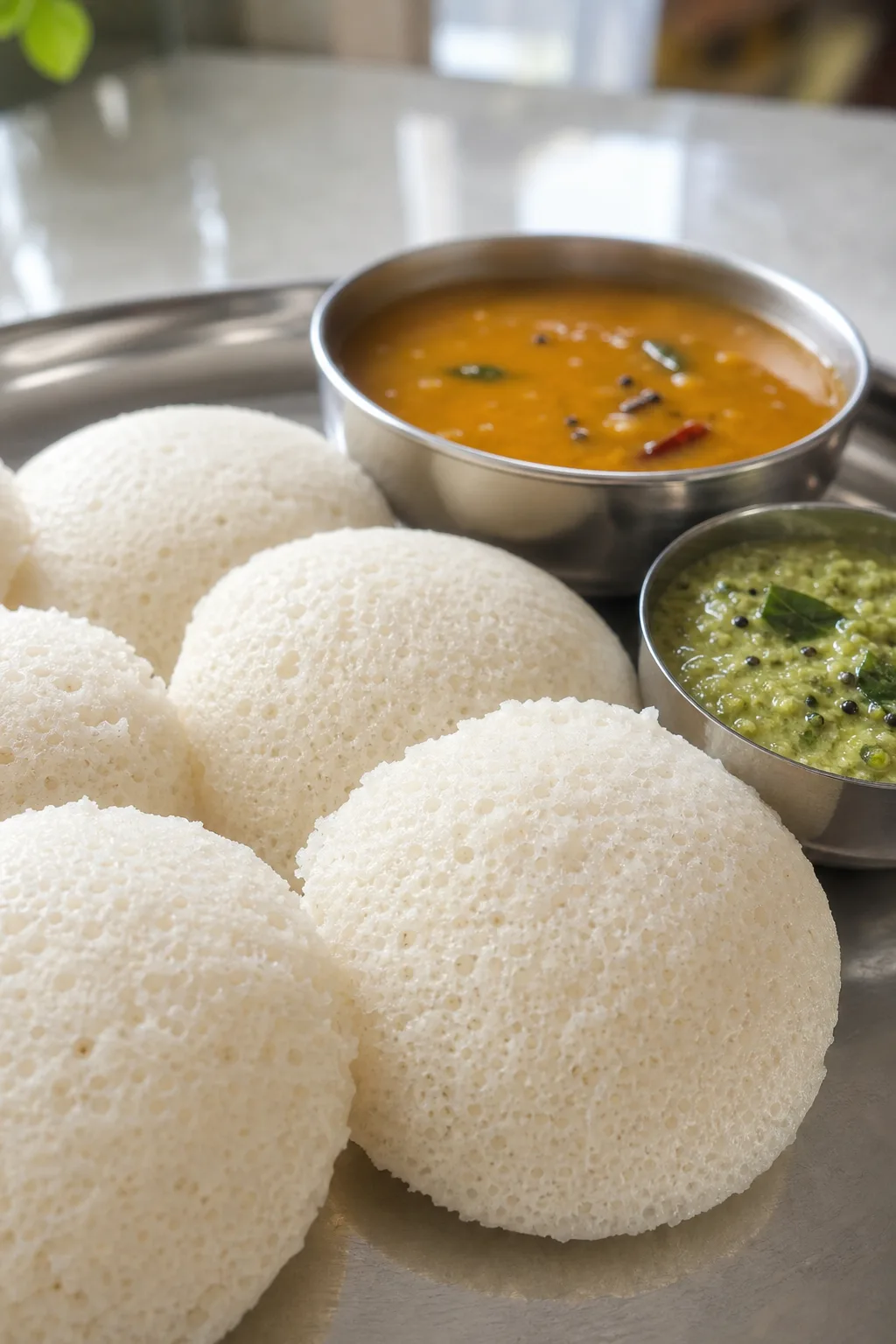
These quick South Indian breakfast dishes bring vibrant flavors like soft idlis and crispy dosas to your table in no time. Perfect for busy mornings when you crave something wholesome and authentic with fresh chutneys.
Introduction
I've been making South Indian breakfasts for years, and nothing beats the comfort of soft idlis and crispy dosas. The first time I tried making them at home, it was a bit of a challenge to get the batter consistency just right, and my dosas came out soggy. But once I learned the right fermentation techniques and how to balance rice and urad dal proportions, the results were incredible. What sets my version apart is the quick-soak method combined with a warm fermentation spot that speeds things up without compromising flavor. I also love pairing these with fresh homemade coconut chutney and tangy sambar, which really bring out the authentic taste. The finished dishes have that perfect fluffy texture for idlis and a golden, crispy exterior for dosas. Whether you’re rushing through a weekday morning or entertaining guests, these recipes deliver comforting South Indian flavors in under an hour. Trust me, once you get the hang of it, you’ll want to make this a regular breakfast ritual.
What You'll Need
Approximately 20 idlis or 8 dosas, 4 servings
- 2 cups parboiled rice, soaked for 4 hours
- 1 cup urad dal (split black gram), soaked for 4 hours
- 1/2 teaspoon fenugreek seeds
- Salt to taste
- Oil for cooking dosas
- Fresh coconut chutney ingredients
- Sambar ingredients as preferred
How To Do It
Step 1
Start by soaking the parboiled rice and urad dal separately for at least 4 hours. Soaking helps soften them, which is essential for a smooth batter and good fermentation. Fenugreek seeds are added to the urad dal soak to aid digestion and enhance fermentation. Make sure to rinse the grains well before soaking to remove impurities. This step is crucial because under-soaked grains will result in a dense batter and poor texture in your idlis and dosas.
⏱ Time: 4 hours soaking
✓ Doneness: Grains should be swollen and soft to touch, not hard or brittle
Step 2
Drain the soaked rice and dal. Grind the urad dal and fenugreek seeds first using a wet grinder or high-powered blender with little water, until it becomes fluffy and light. Then grind the rice coarsely. Mixing these two batters evenly is key to achieving the right texture. The urad dal batter must be light and aerated, which helps in fermentation. Avoid adding too much water as it can make the batter runny and affect the final texture.
⏱ Time: 20-30 minutes grinding
✓ Doneness: Urad dal batter should be creamy and fluffy; rice batter slightly coarse but smooth
Step 3
Combine the ground rice and urad dal batters in a large bowl. Add salt and mix thoroughly with your hand or a spoon. The warmth of your hand helps kickstart fermentation. Cover the bowl with a cloth and keep it in a warm place to ferment for 8-12 hours or overnight. Proper fermentation is what gives idlis and dosas their characteristic tang and airy texture. If your kitchen is cold, use an oven with just the light on or a warm spot to ensure good fermentation.
⏱ Time: 8-12 hours fermentation
✓ Doneness: Batter should rise and have bubbles on the surface with a slightly sour aroma
Step 4
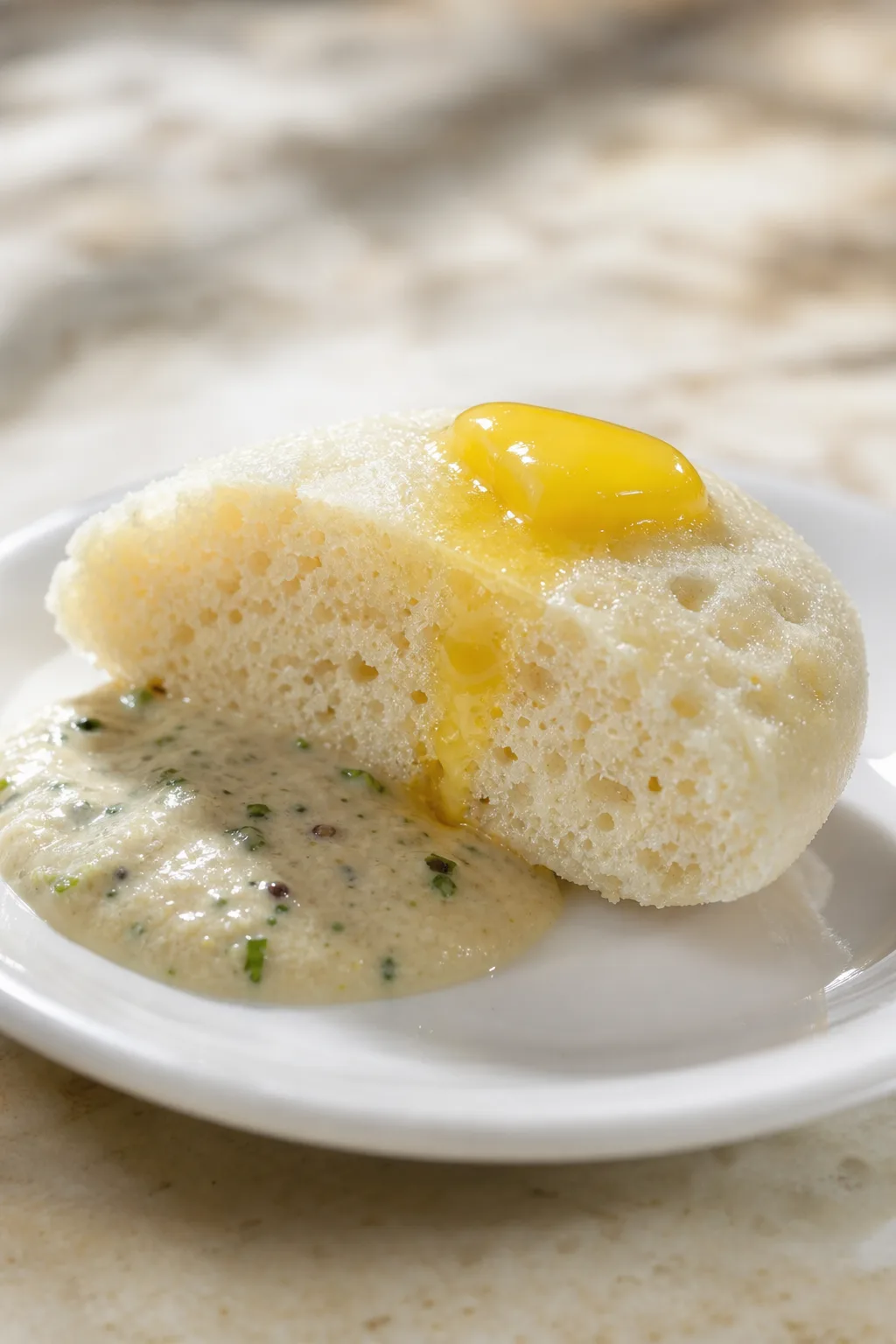
For idlis, grease the idli molds lightly. Pour the fermented batter into the molds and steam them in a steamer or pressure cooker without the weight for 10-12 minutes. Steaming cooks the batter gently, locking in moisture and creating soft, fluffy idlis. Avoid opening the lid too early or the idlis might collapse. Use a toothpick to check doneness; it should come out clean.
⏱ Time: 10-12 minutes steaming
✓ Doneness: Idlis should be puffed up, soft, and springy to touch
Step 5
For dosas, heat a non-stick or cast-iron pan on medium-high. Pour a ladleful of batter and spread it thin in a circular motion. Drizzle a little oil around the edges and cook until the underside turns golden brown and crisp. Flip only if you want a softer dosa. The hot pan and spreading technique are vital for a crispy texture. If the pan is too cold, the dosa will stick; if too hot, it will burn quickly.
⏱ Time: 2-3 minutes per dosa
✓ Doneness: Dosa edges should lift easily and have a golden brown crispness
Step 6
Prepare fresh coconut chutney by blending grated coconut, roasted chana dal, green chilies, ginger, and salt with water to a smooth paste. Temper with mustard seeds, curry leaves, and dried red chilies in hot oil for that authentic flavor burst. Fresh chutney balances the mild idli and dosa perfectly. Avoid making chutney too watery as it will dilute the flavor and texture.
⏱ Time: 10 minutes
✓ Doneness: Chutney should be creamy with vibrant color and tempered spices sizzling
Step 7
Make sambar by cooking toor dal until soft, then adding tamarind extract, vegetables, and sambar powder. Temper with mustard seeds, dried red chilies, and curry leaves. Sambar adds a spicy, tangy dimension complementing the breakfast beautifully. Ensure vegetables are cooked but not mushy to maintain texture contrast.
⏱ Time: 25-30 minutes
✓ Doneness: Sambar should be thick but pourable, with tender vegetables and aromatic spices
Step 8
Serve idlis and dosas hot with freshly made coconut chutney and sambar. The contrast of soft idlis or crisp dosas with creamy chutney and tangy sambar is what makes this breakfast memorable. Eating them fresh ensures the best texture and flavor. Reheating can affect the softness and crispness, so try to enjoy right away.
⏱ Time: Immediate serving
✓ Doneness: Hot, fresh aroma and ideal textures on the plate
Step 9
Clean and store leftover batter in the refrigerator for up to 2 days. Stir before using as fermentation continues slowly. You can make dosas with leftover batter, but idlis might not be as fluffy. Always bring batter to room temperature before cooking to get the best results.
⏱ Time: Storage and prep
✓ Doneness: Batter should smell mildly sour and have bubbles visible
Variations
Rava Idli Variation
Swap rice with semolina (rava) for a quicker idli recipe that doesn’t require soaking or fermentation. This version is softer and quicker but less tangy. Great when you’re short on time but want that fluffy idli texture.
Note: Use yogurt and baking soda as leavening agents instead of fermentation; batter consistency will differ and cook times are slightly shorter.
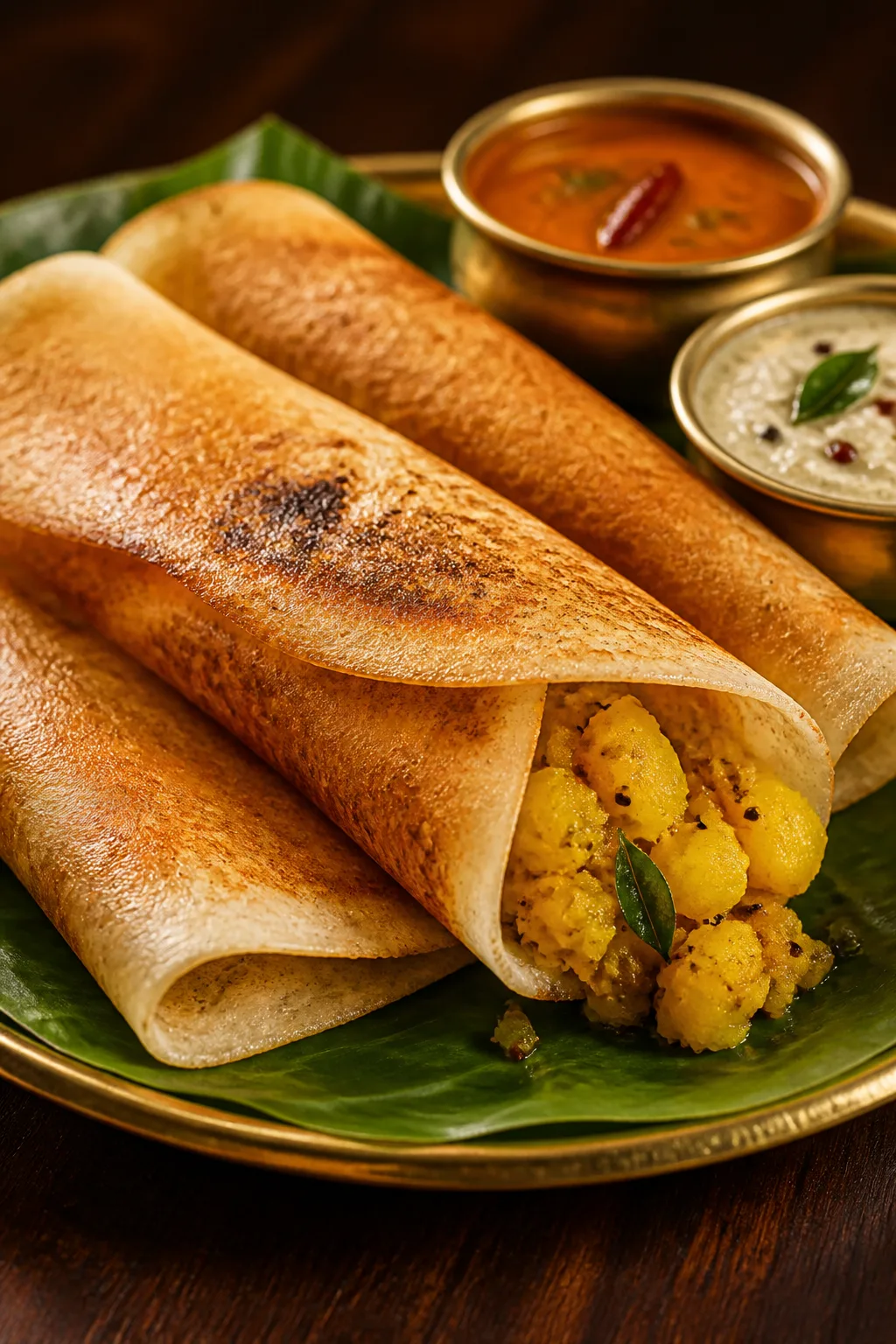
Masala Dosa Variation
Add a spiced potato filling inside the dosa for a classic masala dosa experience. The filling adds a savory, flavorful twist and makes the breakfast more filling and festive.
Note: Prepare the potato masala separately and stuff dosas immediately after cooking to keep crispness intact.
Instant Idli Mix
Use store-bought instant idli mix to save soaking and grinding time. Just add yogurt and water, ferment briefly, and steam. Perfect for beginners or busy mornings, though flavor may be less fresh.
Note: Follow package instructions carefully; fermentation time is shorter and texture may be slightly different.
Multigrain Dosa Batter
Incorporate millets or oats along with rice and urad dal for a healthier dosa batter. This variation adds fiber and nutrients, with a nuttier flavor and slightly different texture.
Note: Adjust soaking and grinding times to accommodate different grains; fermentation may take longer.
Stuffed Idli
Add a small spoonful of chutney or spiced vegetable mix inside each idli mold before steaming for a surprise filling. This makes the idlis more flavorful and fun for kids and guests.
Note: Ensure fillings are cooked and not too watery to prevent sogginess during steaming.
Pro Tips
Use a wet grinder or powerful blender for batter grinding.
Wet grinders create a smoother, aerated batter compared to regular blenders, which is essential for good fermentation and soft texture. A less aerated batter may lead to dense idlis and less crispy dosas.
Keep the batter in a warm spot for fermentation.
Warm temperatures (around 85°F/29°C) speed up fermentation by promoting bacterial activity. If it's too cold, fermentation slows or stops, resulting in bland, dense idlis and dosas.
Don’t add salt before fermentation.
Salt can inhibit the fermentation process by slowing down bacterial growth. Adding it after grinding and before cooking ensures good rise and flavor.
Spread dosa batter thin and evenly on the pan.
A thin, even layer cooks quickly and crisps up nicely. Thick spreading leads to soggy, undercooked spots, ruining the dosa’s texture.
Use cast iron or non-stick pan for dosas.
Cast iron retains heat evenly, essential for consistent dosa crispness. Non-stick pans reduce sticking but may not brown dosas as well.
Steam idlis with the lid tightly closed.
Trapping steam cooks idlis evenly and prevents moisture loss. Opening the lid too early causes the idlis to collapse or become dense.
Temper chutney fresh before serving.
Tempering spices in hot oil releases essential oils and flavors, adding aroma and a finishing touch that enhances the chutney’s taste.
Common Mistakes to Avoid
Skipping fermentation or fermenting too short.
Why it happens Many rush the process thinking the batter is ready sooner or want to save time, unaware that fermentation is critical to texture and flavor.
Fix Allow the batter to ferment fully in a warm spot until it rises and bubbles form. If it’s cold, try a warmer environment or use a yogurt maker. Patience here is key for fluffy idlis and tangy dosas.
Adding too much water during grinding.
Why it happens Trying to speed up grinding or ease blending can lead to adding excess water, making batter too runny.
Fix Add water sparingly, just enough to grind smoothly. A thicker batter ferments better and yields better texture.
Using a cold pan for dosas.
Why it happens In a rush, cooks often start cooking before the pan is hot enough, causing sticking and uneven cooking.
Fix Preheat the pan thoroughly before pouring batter. Test by sprinkling a few drops of water; if they sizzle and evaporate immediately, it’s ready.
Opening the steamer lid early while making idlis.
Why it happens Impatience leads to checking too soon, disrupting steaming and causing idlis to collapse.
Fix Set a timer and keep the lid closed until cooking time is up. This traps steam and ensures proper rise.
Not stirring the batter after fermentation.
Why it happens Some forget to mix the batter gently before use, missing the chance to redistribute bubbles and ingredients.
Fix Stir gently but thoroughly to mix the batter and ensure even texture for cooking.
Nutrition
Per Serving:
Nutritional values are estimates and may vary based on specific ingredients and portion sizes used.
Storage & Tips
Room Temperature
Batter should not be kept at room temperature for more than 12 hours after fermentation to avoid over-fermentation or spoilage. Cover with a clean cloth or lid to prevent contamination.
Refrigerator
Store leftover batter in an airtight container in the refrigerator for up to 2 days. The fermentation will slow, so bring batter to room temperature before cooking to reactivate fermentation and get better texture.
Freezer
Freezing batter is not recommended as it disrupts fermentation and texture. However, cooked idlis and dosas can be frozen for up to 1 month. Wrap tightly in foil or airtight bags to prevent freezer burn. Thaw overnight in the refrigerator.
Reheating
Reheat idlis by steaming or microwaving with a moist paper towel to maintain softness. Reheat dosas on a hot pan briefly to restore crispness. Avoid overheating to prevent drying out or toughening.
Make Ahead
Prepare the batter the night before and allow it to ferment overnight. You can make chutneys and sambar a day ahead and refrigerate. Steam idlis or cook dosas fresh in the morning for best texture and flavor.
FAQ
Can I use regular white rice instead of parboiled rice?
While regular white rice can be used, parboiled rice is preferred because it yields a softer, fluffier idli and crispier dosa due to its starch properties. Using white rice may result in denser textures and less consistent fermentation.
What if my batter doesn't ferment well?
Poor fermentation can be due to cold temperatures, stale ingredients, or insufficient soaking. Try fermenting in a warmer spot, ensure your rice and dal are fresh, and soak them properly. Adding a pinch of sugar can sometimes help jumpstart fermentation.
Can I make this recipe gluten-free?
Yes! The traditional idli and dosa batter is naturally gluten-free as it uses rice and urad dal. Just ensure any chutneys or sides you prepare are also gluten-free.
How do I store leftover cooked idlis and dosas?
Store cooked idlis and dosas in an airtight container in the refrigerator for up to 2 days. Reheat idlis by steaming and dosas on a hot pan to maintain texture. Avoid microwaving dosas as they can become rubbery.
Why are my dosas sticking to the pan?
This usually happens if the pan isn’t hot enough, or if it’s not seasoned properly. Preheat the pan well and wipe it with a little oil before each dosa. Using a cast iron or non-stick pan helps prevent sticking.
Can I skip the fenugreek seeds?
Fenugreek seeds improve fermentation and add subtle flavor, but you can omit them if unavailable. Your batter may ferment slightly slower and the flavor will be a bit different, but the recipe will still work.
How long can I keep the batter in the fridge?
The fermented batter can be refrigerated for up to 2 days. After that, it may become overly sour or spoil. Always smell and check for any discoloration before use.
What’s the best way to make dosas extra crispy?
Spread the batter thinly on a very hot pan and drizzle a little oil around the edges. Cook the dosa until golden brown and allow it to crisp before folding or removing. Avoid flipping if you want maximum crispness.
Final Thoughts
I hope you enjoy making and savoring these quick South Indian breakfasts as much as I do. Don’t forget to share your results—I’d love to hear how they turn out for you!