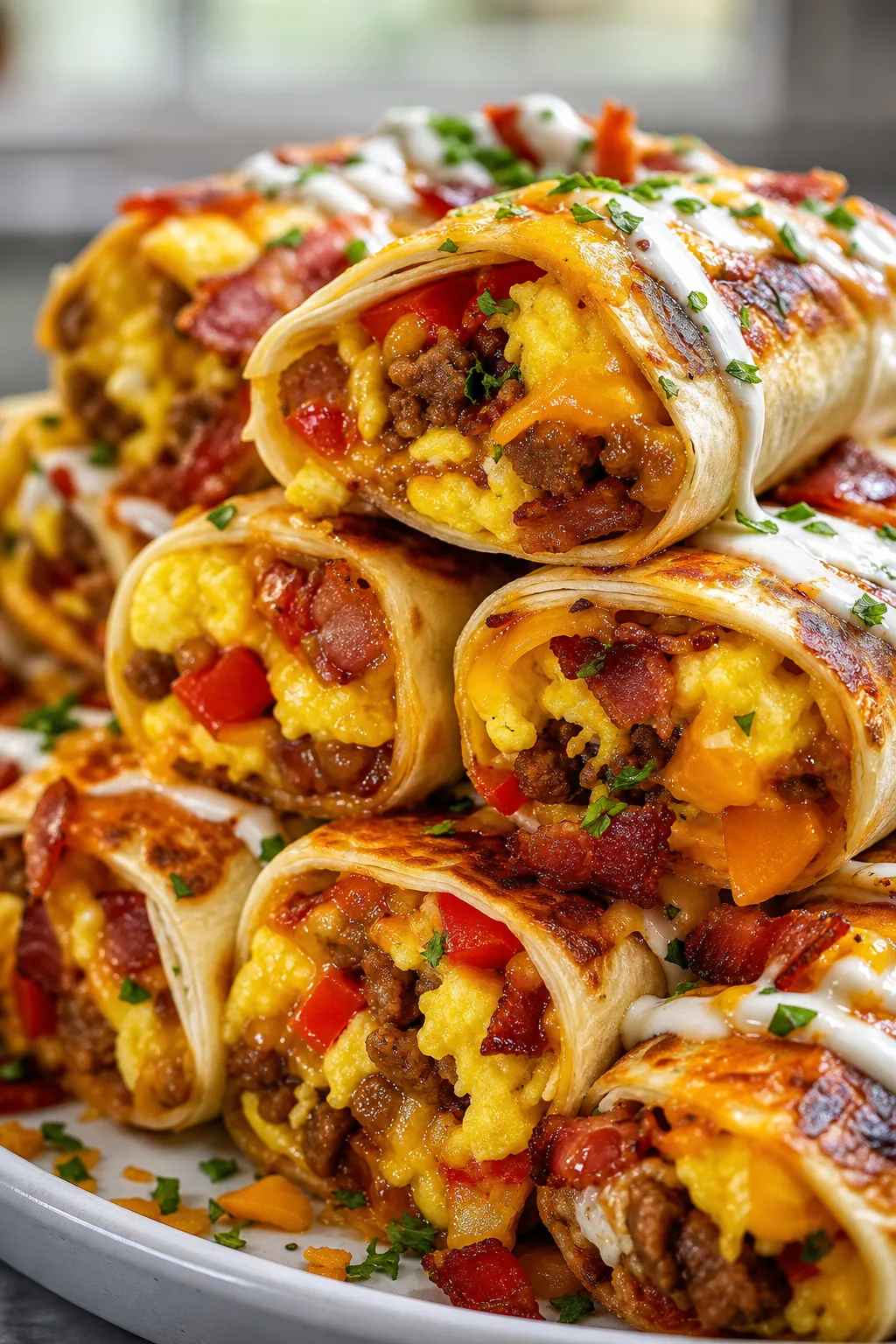
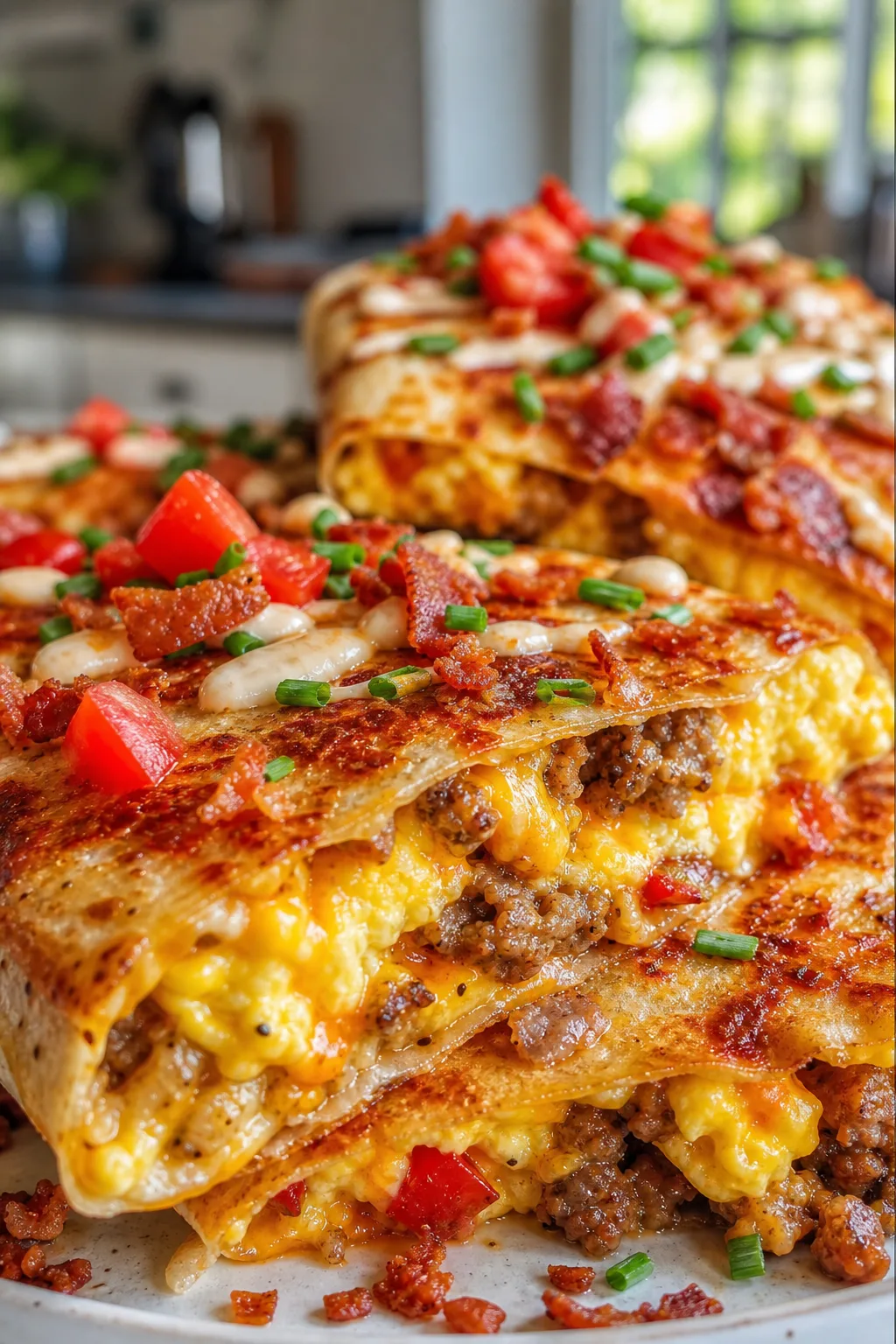
These scrambled eggs are my secret for a quick, fluffy breakfast that feels homemade. The gentle folding technique keeps them light and creamy. Great for busy mornings or a lazy weekend brunch with friends.
Introduction
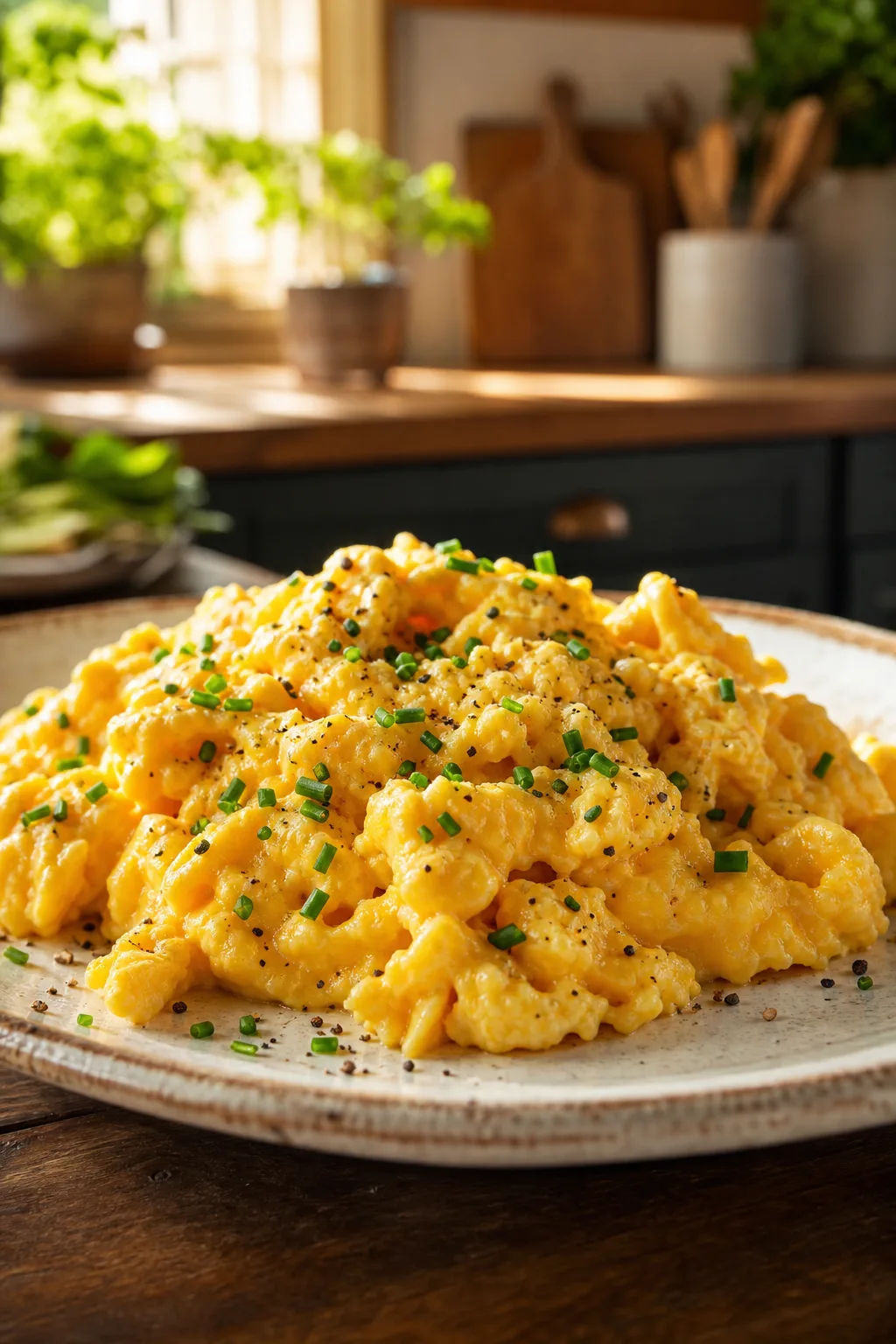
I’ve been making these fluffy scrambled eggs for years now, especially on hectic mornings when I want something quick but still homemade and comforting. The trick I learned early on was to beat the eggs gently with a splash of cold milk and then fold them slowly in the pan rather than stirring vigorously. This makes all the difference — the eggs turn out soft, creamy, and light instead of rubbery or dry. I remember one time rushing through the steps and ending up with dry scrambled eggs, which totally reminded me why patience matters here. My family loves when I add fresh herbs like chives; it adds a subtle brightness that makes these eggs feel a little special. The finished dish looks fluffy and inviting, with a silky texture that melts in your mouth. Whether you’re rushing out the door or having a slow weekend brunch, these eggs hit the spot every time.
How To Do It
Step 1
Crack the eggs into a medium bowl and add the cold milk. Whisk gently but thoroughly until the mixture is smooth and light yellow, with no streaks of white. The cold milk helps keep the eggs tender and slows down cooking, which prevents them from becoming rubbery. Avoid overwhisking, or the eggs might end up tough. The goal is to incorporate just enough air for fluffiness while keeping the texture creamy.
⏱ Time: 2 minutes
✓ Doneness: Egg mixture should be uniformly pale yellow with a slightly frothy surface.
Step 2
Heat a nonstick skillet over medium-low heat and add the butter. Let it melt completely but not brown. Pour in the egg mixture and let it sit undisturbed for about 20 seconds until the edges start to set. This resting period allows the eggs to begin cooking gently and develop soft curds. If you stir too soon or at too high heat, the eggs can cook unevenly or become dry.
⏱ Time: 1 minute
✓ Doneness: Edges will look slightly firm but the center remains runny and glossy.
Step 3
Using a silicone spatula, gently fold the eggs from the edges toward the center. Do this slowly and carefully to form large, soft curds. The folding technique traps air and keeps the eggs fluffy rather than breaking them into tiny bits. Continue folding every 10-15 seconds, letting the eggs rest in between. This slow cooking method ensures a creamy texture.
⏱ Time: 3-4 minutes
✓ Doneness: Eggs should be softly set but still a bit creamy and moist, not dry or rubbery.
Step 4
When the eggs are almost cooked but still slightly wet, stir in the chopped fresh chives. This adds a fresh, mild onion flavor that brightens the dish. Season with salt and pepper to taste. Remove the pan from heat just before the eggs look fully set, as they will continue cooking from residual heat. Overcooking is a common mistake that ruins the texture.
⏱ Time: 1 minute
✓ Doneness: Eggs look soft, creamy, with herbs evenly distributed.
Step 5
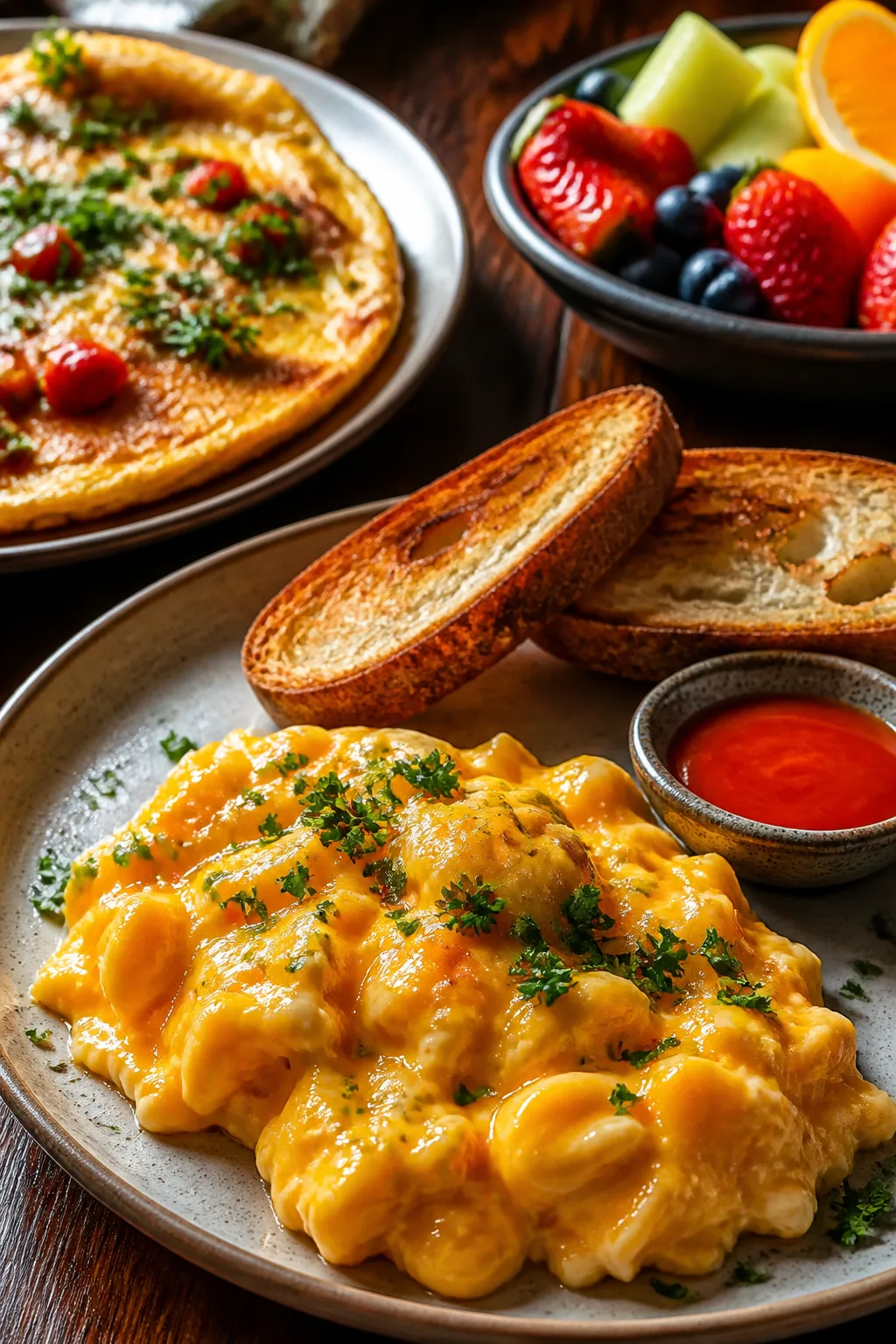
Transfer the eggs immediately to warm plates to prevent further cooking in the pan. Serve right away for the best texture and flavor. Pair with toast or fresh fruit for a complete breakfast. The eggs should be fluffy, moist, and tender with a gentle herb aroma.
⏱ Time: 1 minute
✓ Doneness: Eggs remain soft on the plate, not dry or rubbery.
Step 6
If you want to add cheese, sprinkle a small handful of grated cheddar or parmesan over the eggs just after removing from the heat. The residual warmth will gently melt the cheese without drying out the eggs. This adds richness and a savory note that complements the herbs.
⏱ Time: 1 minute
✓ Doneness: Cheese melts smoothly into the eggs without clumping.
Step 7
For a creamier version, swap the milk for half-and-half or add a dollop of crème fraîche at the end. These fats increase the silkiness and indulgence of the eggs. Just be careful not to add too much liquid or the eggs may not set properly.
⏱ Time: Optional, 1 minute
✓ Doneness: Eggs appear richer, with a glossy finish.
Step 8
To keep the eggs warm before serving, cover the pan loosely with foil or a lid for a minute or two. Avoid reheating once plated since scrambled eggs can dry out quickly. Freshly cooked is always best for texture and flavor.
⏱ Time: 1-2 minutes
✓ Doneness: Eggs stay soft and warm without continuing to cook.
Step 9
Clean your utensils and pan promptly after cooking to prevent egg residue from hardening and becoming difficult to remove. Nonstick pans work best for this recipe to avoid sticking and allow gentle folding.
⏱ Time: 5 minutes
✓ Doneness: Pan and tools are spotless, ready for next use.
Variations
Cheesy Herb Scrambled Eggs
Add 1/4 cup shredded cheddar or parmesan cheese during the last minute of cooking. The cheese melts into the eggs, creating a rich, savory twist. Fresh herbs like parsley or dill also enhance flavor. Expect a creamier, more indulgent texture with a slightly tangy note from the cheese.
Note: Cheese melts quickly, so add just before removing from heat to avoid drying out eggs.
Spicy Scrambled Eggs with Jalapeños
Dice one small jalapeño (remove seeds for mild heat) and sauté briefly in butter before adding eggs. This adds a smoky, spicy kick that livens up the breakfast. Pair with cilantro and a squeeze of lime for freshness. The texture remains fluffy but with a bold flavor punch.
Note: Sauté jalapeños on low heat to avoid bitterness and preserve crunch.
Creamy Avocado Scramble
Fold in half a diced ripe avocado just after cooking the eggs. The avocado adds buttery creaminess and healthy fats, making the dish more filling and nutritious. The eggs stay fluffy while the avocado adds a smooth, cool contrast.
Note: Add avocado last to keep its texture intact and prevent browning.
Mediterranean Style Scrambled Eggs
Mix in crumbled feta, chopped sun-dried tomatoes, and fresh oregano at the end of cooking. This variation offers a tangy, herbaceous flavor profile with a Mediterranean twist. The eggs remain soft and creamy with bursts of salty, savory bites.
Note: Use mild heat to gently warm feta without melting completely.
Vegan Tofu Scramble
Replace eggs with firm tofu crumbled finely and sautéed with turmeric, nutritional yeast, and your favorite veggies. This plant-based version mimics the texture and color of scrambled eggs while offering a protein-packed alternative. Expect a firmer texture and slightly earthy flavor.
Note: Press tofu well to remove excess moisture for better texture.
Pro Tips
Use a nonstick skillet for best results.
A nonstick pan ensures the eggs cook evenly without sticking, which is crucial for folding and gentle cooking. Sticking can cause eggs to break apart or cook unevenly, ruining the soft curds and creamy texture.
Cook eggs over medium-low heat.
Low heat allows the proteins to coagulate slowly, creating tender curds and preventing rubberiness. High heat cooks eggs too fast, squeezing out moisture and resulting in dry, tough eggs.
Fold eggs gently instead of stirring vigorously.
Folding traps air within the eggs, making them fluffy and light. Stirring constantly breaks the curds into tiny pieces and can make the eggs dense and dry.
Add fresh herbs at the end of cooking.
Herbs lose their delicate flavor and color if cooked too long. Adding them last preserves their brightness and adds a fresh note to the creamy eggs.
Remove eggs from heat just before fully set.
Eggs continue cooking from residual heat after being removed from the pan. Taking them off early prevents overcooking and keeps them moist and tender.
Use cold milk or cream in the egg mixture.
Cold dairy slows the cooking temperature initially, which helps eggs cook gently and prevents rubbery texture. It also adds moisture and fat for creaminess.
Season eggs after cooking, not before.
Adding salt too early can draw out moisture from eggs, making them watery and affecting texture. Seasoning at the end enhances flavor without compromising the curds.
Common Mistakes to Avoid
Cooking eggs on too high heat
Why it happens Many cooks rush the process to save time or think higher heat cooks eggs faster. This causes proteins to tighten rapidly, squeezing out moisture.
Fix Lower the heat to medium-low and be patient. Slow cooking produces tender curds and prevents dryness.
Overstirring or breaking eggs into tiny bits
Why it happens Some assume constant stirring is needed to prevent sticking, but it breaks curds and reduces fluffiness.
Fix Use a folding motion every 10-15 seconds instead of stirring continuously to keep eggs light and fluffy.
Adding salt too early
Why it happens Salt draws moisture out of eggs if added before cooking, leading to watery eggs and uneven texture.
Fix Add salt right at the end of cooking or when serving to maintain proper texture and flavor.
Using old eggs
Why it happens Old eggs have thinner whites and weaker structure, causing them to cook unevenly and be less fluffy.
Fix Use fresh eggs with firm whites for best texture and flavor.
Leaving eggs in the pan after cooking
Why it happens Residual heat continues to cook eggs, making them dry and rubbery if left too long.
Fix Transfer eggs immediately to a warm plate to stop cooking at the perfect softness.
Nutrition
Per Serving:
Nutritional values are estimates and may vary based on specific ingredients used.
Storage & Tips
Room Temperature
Scrambled eggs are best eaten immediately but can safely sit out covered for up to 2 hours. Leaving them longer risks bacterial growth and texture degradation.
Refrigerator
Store leftover eggs in an airtight container in the fridge for up to 2 days. They may become firmer and less creamy when cold. Reheat gently to restore softness.
Freezer
Freezing scrambled eggs is not recommended as they become watery and grainy after thawing. If needed, freeze in airtight containers for up to 1 month and thaw overnight in the fridge.
Reheating
Reheat eggs gently in a nonstick pan over low heat, stirring occasionally. Add a splash of milk or water to restore moisture. Avoid microwaving on high to prevent rubberiness.
Make Ahead
You can whisk eggs with milk and chop herbs a day ahead, storing separately in the fridge. Cook eggs fresh in the morning for best texture and flavor.
FAQ
Can I use skim milk instead of whole milk?
Yes, you can use skim milk, but the eggs may be less creamy and tender because skim milk has less fat. For the fluffiest and richest texture, whole milk or half-and-half is preferable.
Why are my scrambled eggs rubbery?
Rubbery eggs are usually a sign of overcooking or cooking on too high heat. Try cooking on medium-low heat and remove the eggs from the pan while still slightly soft, letting residual heat finish the cooking.
Can I prepare scrambled eggs the night before?
It's best to cook scrambled eggs fresh. If you must, cook them gently, cool quickly, and refrigerate. Reheat on low heat with a splash of milk, but texture and flavor will not be as good as freshly made.
What herbs work best in scrambled eggs?
Chives, parsley, tarragon, and dill are excellent choices. Add them fresh at the end of cooking to preserve their flavor and color.
Can I add vegetables to the scrambled eggs?
Absolutely! Sauté vegetables like bell peppers, spinach, or mushrooms before adding eggs. This adds flavor and nutrition but cook veggies first to remove excess moisture.
How do I prevent scrambled eggs from sticking to the pan?
Use a good-quality nonstick skillet and cook over medium-low heat with enough butter. Avoid high heat and stirring too aggressively.
Is it okay to add cheese to scrambled eggs?
Yes, cheese adds richness and flavor. Add it towards the end of cooking so it melts gently without drying out the eggs.
Why do my eggs sometimes turn watery?
Adding salt too early or cooking too fast can cause watery eggs. Salt at the end and cook slowly over low heat to avoid this.
Final Thoughts
Give these fluffy scrambled eggs a try—you’ll love how easy and comforting they are. Don’t forget to share how yours turn out!