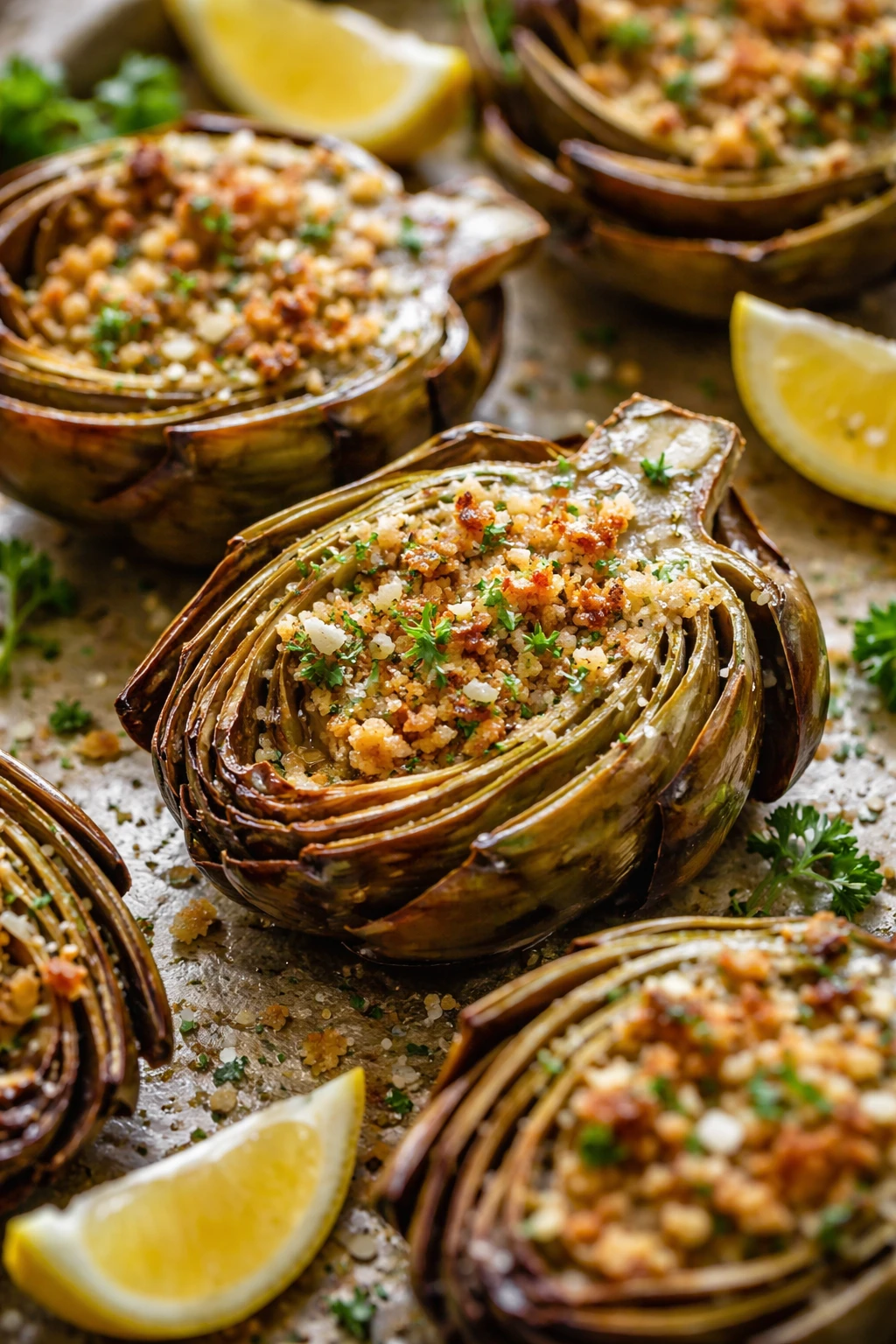
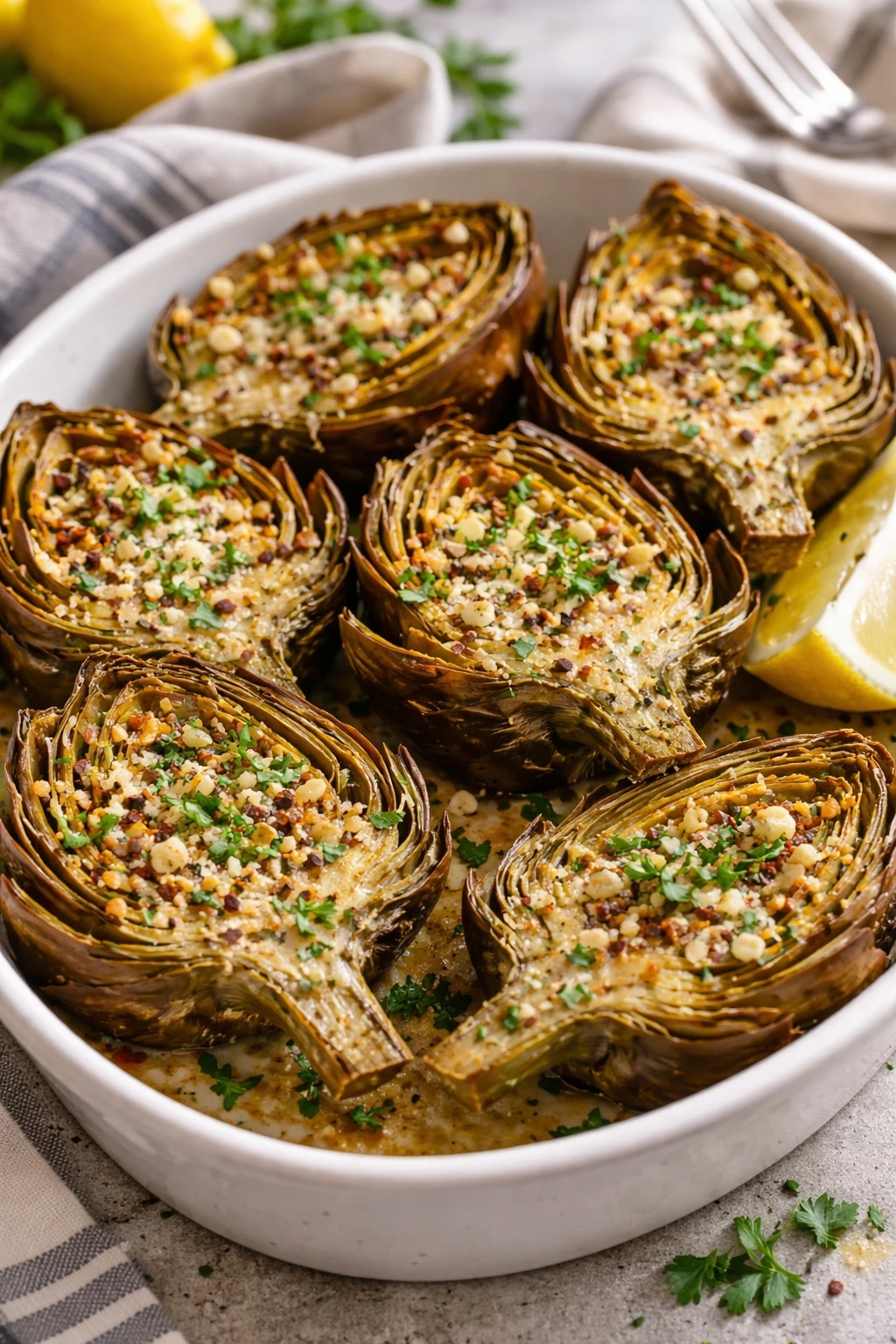
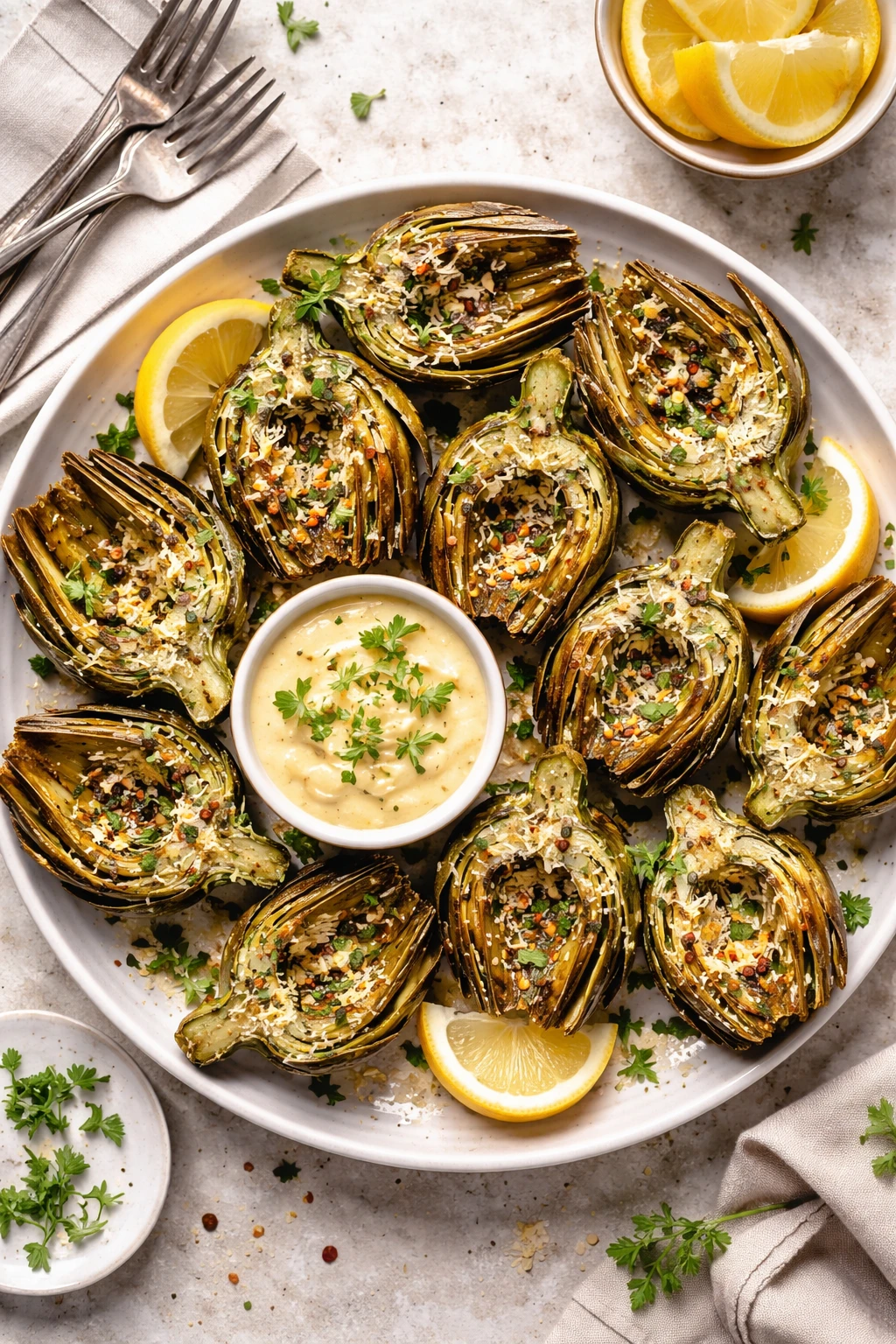
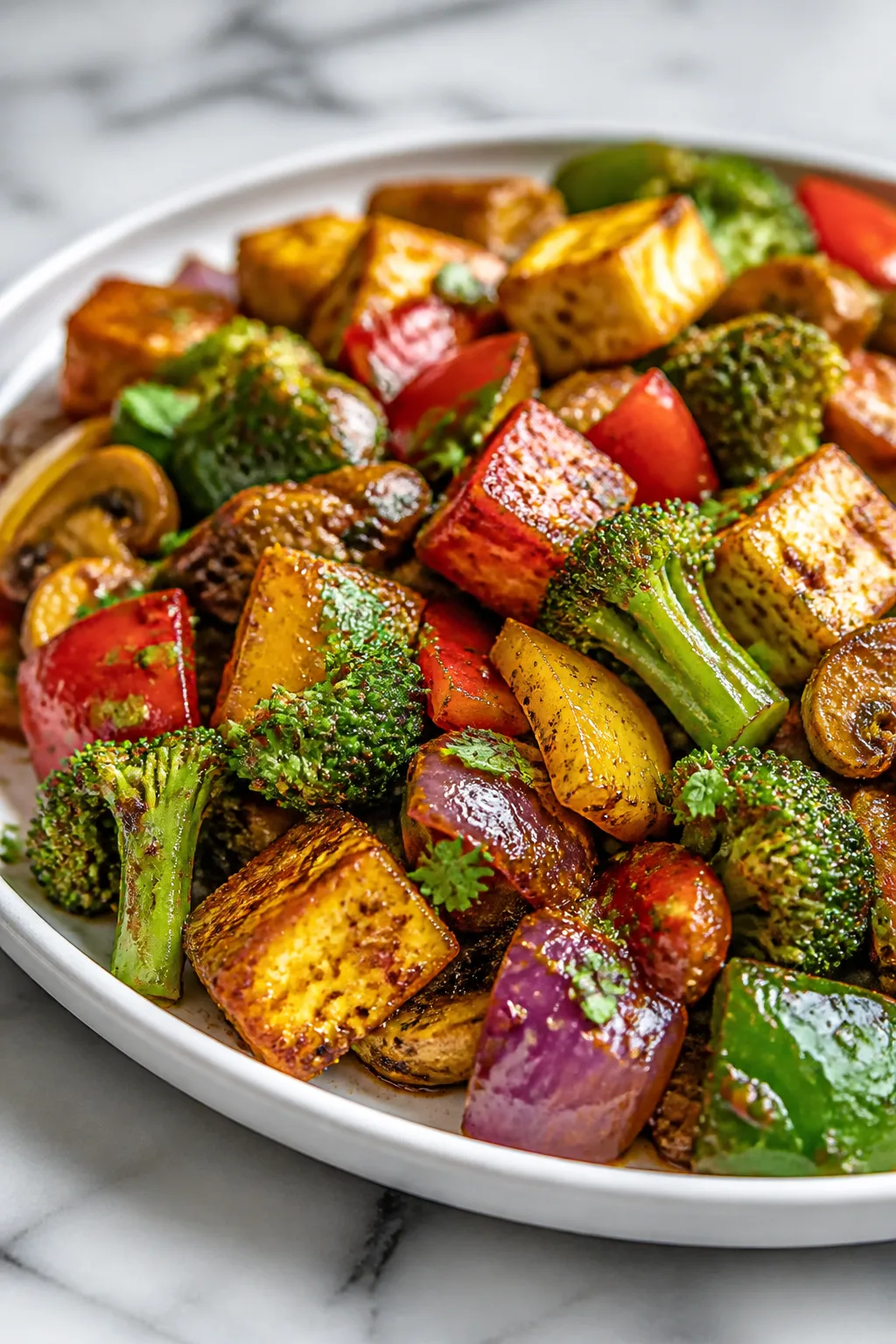
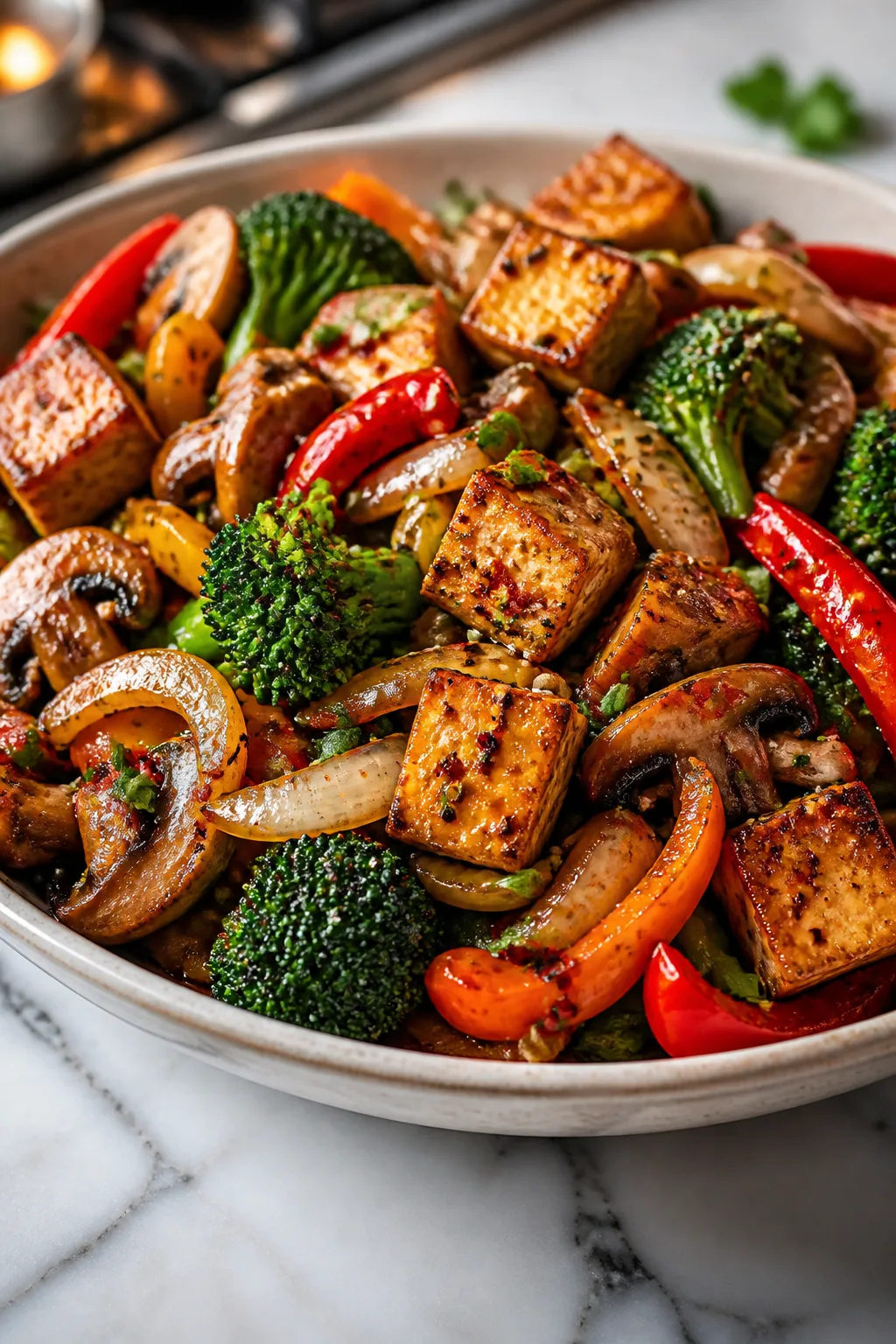
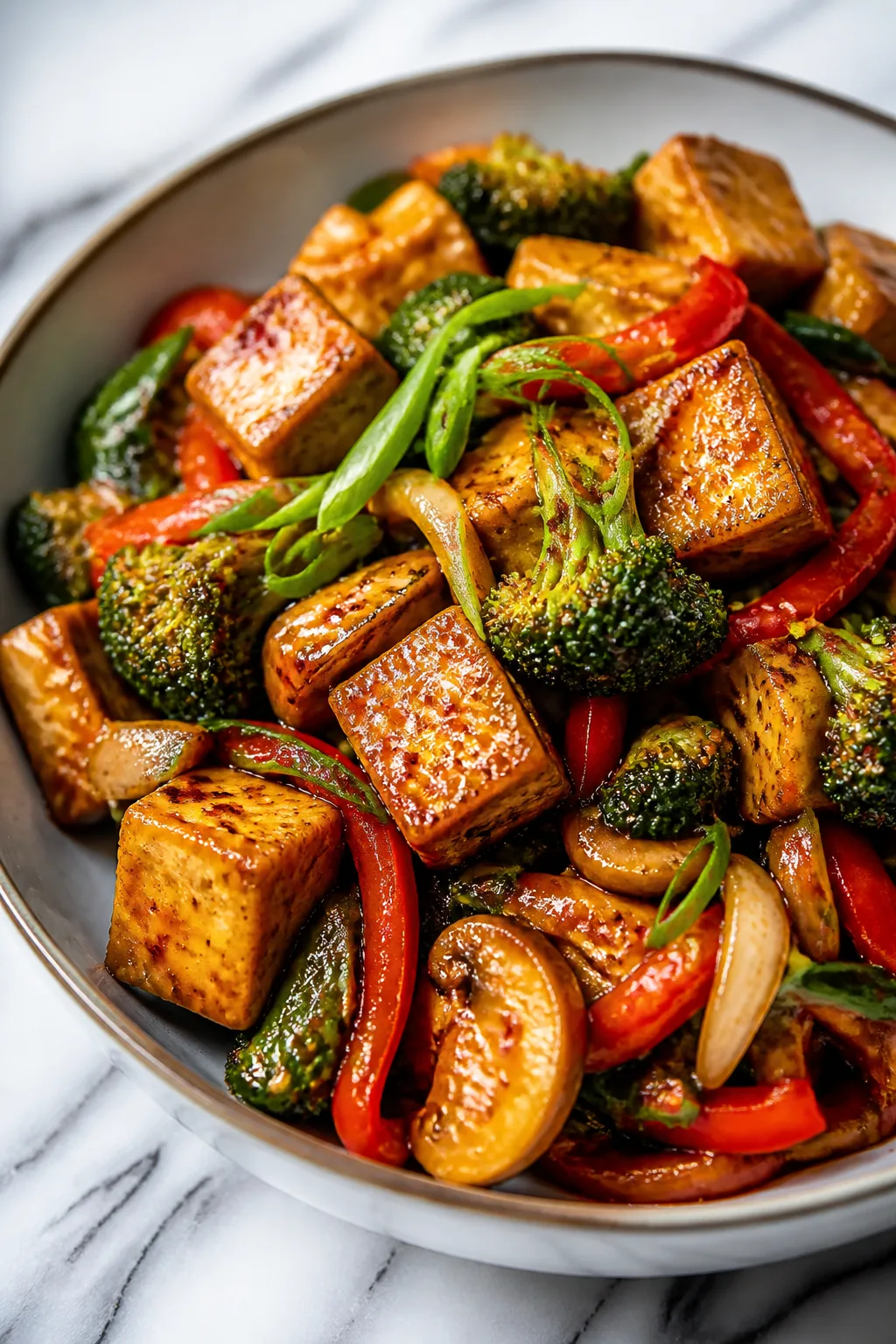
These baked artichokes are a game changer—soft, tangy, and infused with garlic and lemon. I love how roasting brings out their natural sweetness. Perfect as a snack or a side dish anytime you want something fresh and flavorful.
Introduction
I first stumbled upon roasted artichokes a few years ago at a friend's dinner party, and I was instantly hooked. The way roasting transforms the tough, sometimes intimidating artichoke into a tender, flavorful treat blew me away. Since then, I've tweaked the recipe to focus on simple, fresh ingredients—garlic and lemon are the stars here, giving the artichokes a bright, tangy kick that feels both comforting and refreshing. What I really love about this version is how easy it is; no steaming or complicated prep, just trimming, tossing, and roasting until perfectly tender. The garlic infuses the artichokes with a deep aroma, while the lemon cuts through with a zesty brightness that balances the richness of the olive oil. It’s become my go-to side dish for casual dinners or even just a snack when I want something healthy but satisfying. You'll end up with artichokes that are soft enough to pull off the leaves easily, with a little crisp on the edges and a punch of flavor in every bite. Trust me, once you try roasting artichokes this way, you’ll never look at them the same!
How To Do It
Step 1
Start by prepping the artichokes carefully. Trim the stem so the artichokes can sit flat, then cut them in half lengthwise. Use a spoon to scoop out the fuzzy choke in the center—it’s important to remove this for a pleasant texture. Rinse them under cold water to wash away any grit. This prep ensures the artichokes cook evenly and become tender without any unpleasant bits. Take your time here; a clean cut and removing the choke are key to a great final dish.
⏱ Time: 15
✓ Doneness: Artichoke halves are cleanly trimmed with the fuzzy choke fully removed
Step 2
In a bowl, whisk together olive oil, minced garlic, lemon zest, and lemon juice. This mixture will coat the artichokes, giving them flavor and helping them roast beautifully. The acid from the lemon also prevents browning. Pour this over the artichoke halves and toss gently to coat each piece evenly. Don’t rush this step; thorough coating ensures every bite is flavorful and moist. If you skip or under-season here, the artichokes might end up bland or dry.
⏱ Time: 5
✓ Doneness: Artichokes are evenly coated with a glossy, fragrant lemon-garlic oil
Step 3
Preheat your oven to 400°F (200°C). Arrange the artichoke halves cut side down on a baking sheet lined with parchment paper or foil for easy cleanup. Roasting cut side down helps the artichokes steam slightly in their own juices while getting those crispy edges on top. This technique is crucial for that tender interior with a bit of caramelized texture on the outside.
⏱ Time: 5
✓ Doneness: Oven is fully preheated to 400°F and artichokes are arranged cut side down
Step 4
Roast the artichokes for about 25-30 minutes. Halfway through, flip them carefully to brown the other side and baste again with any remaining lemon-garlic oil. This flipping step ensures even cooking and flavor distribution. Keep an eye on them so they don’t burn; you want golden brown edges without charring. The roasting time softens the artichokes and deepens their natural sweetness.
⏱ Time: 30
✓ Doneness: Artichokes are tender when pierced with a fork and edges are golden brown
Step 5
Once roasted, remove from the oven and sprinkle chopped fresh parsley on top for a pop of color and fresh herb flavor. Let them cool slightly before serving so the flavors meld. This finishing touch brightens the dish and makes it look as good as it tastes.
⏱ Time: 5
✓ Doneness: Parsley is fresh and vibrant, evenly scattered on artichokes
Step 6
Serve warm or at room temperature as a side dish or snack. You can add a sprinkle of flaky sea salt or a squeeze more of lemon juice if you like extra zing. These artichokes pair beautifully with grilled meats, pasta, or just a crusty bread to soak up the oils.
⏱ Time: 0
✓ Doneness: Dish is plated attractively and ready to enjoy
Step 7
For extra flavor, try adding a pinch of red pepper flakes to the garlic-lemon oil before coating the artichokes. This adds a subtle heat that complements the bright citrus and mellow garlic nicely. It’s a small tweak that makes a big difference if you like a little kick.
⏱ Time: 0
✓ Doneness: Oil mixture has a hint of red pepper flakes visible
Step 8
If you’re using frozen artichokes, thaw them completely and pat dry before roasting. Frozen varieties can release extra water, which might steam rather than roast the artichokes, so drying is crucial for caramelization. Also, adjust cooking time slightly as frozen artichokes may cook faster.
⏱ Time: 0
✓ Doneness: Artichokes are dry to touch before roasting
Step 9
Leftovers can be reheated gently in a skillet or oven to keep the edges crisp. Avoid microwaving as it can make artichokes rubbery. Reheating carefully preserves the texture and flavor so you can enjoy them again the next day.
⏱ Time: 0
✓ Doneness: Artichokes are warmed through but still tender and slightly crisp
Variations
Spicy Roasted Artichokes
Add 1/2 teaspoon of red pepper flakes to the lemon-garlic oil for a subtle heat. This gives the artichokes a lively kick without overpowering the natural flavors. Great if you like a little spice with your veggies.
Note: Be mindful not to add too much spice, as it can mask the delicate artichoke flavor. Adjust roasting time slightly if needed to avoid burning the chili flakes.
Parmesan Crusted Roasted Artichokes
Sprinkle grated Parmesan over the artichokes during the last 5 minutes of roasting. The cheese melts and crisps into a savory crust, adding richness and umami to the dish.
Note: Add the cheese late to prevent it from burning. Keep an eye on the oven during this step for perfect browning.
Herb-Infused Roasted Artichokes
Mix chopped rosemary and thyme into the olive oil before coating the artichokes. These herbs add an earthy depth that pairs beautifully with the lemon and garlic.
Note: Fresh herbs work best here; dried herbs can be too potent or bitter when roasted.
Vegan Aioli Dip with Roasted Artichokes
Serve the roasted artichokes with a simple vegan aioli made from vegan mayo, lemon juice, garlic, and a pinch of smoked paprika. It’s a creamy, flavorful dip that complements the tangy artichokes nicely.
Note: Prepare the aioli ahead to let flavors meld. Keep refrigerated until serving.
Grilled Roasted Artichokes
After roasting, pop the artichokes on a hot grill for 2-3 minutes per side to add smoky char marks and flavor. This variation adds a rustic twist that’s perfect for summer meals.
Note: Watch carefully on the grill to prevent burning, and use tongs to flip gently.
Pro Tips
Trim and clean artichokes thoroughly before cooking.
Removing the tough outer leaves and the fuzzy choke ensures the artichoke is tender and enjoyable to eat. If not properly cleaned, the choke can be unpleasant and the cooking uneven, leading to a less satisfying texture.
Coat the artichokes evenly with the lemon-garlic oil mixture.
Even coating ensures every bite is flavorful and prevents dry spots. The lemon acid also helps keep the artichokes from browning too quickly or unevenly, while the oil promotes caramelization and crisp edges.
Roast cut side down to trap moisture and promote caramelization.
This technique steams the artichoke slightly in its own juices while allowing the exposed edges to brown and crisp. It balances tenderness with texture, which is key for a great roasted vegetable.
Flip the artichokes halfway through roasting.
Flipping ensures even cooking and browning on both sides. Without flipping, one side may overcook or burn while the other remains underdone, affecting flavor and texture.
Use fresh lemon zest and juice instead of bottled.
Fresh lemon zest contains essential oils that add brightness and aroma, while fresh juice has a cleaner, more vibrant acidity. Bottled lemon juice can taste flat and alter the dish’s balance.
Avoid microwaving leftover artichokes for reheating.
Microwaving tends to make artichokes rubbery and unevenly heated. Reheating gently in a skillet or oven maintains their texture and flavor better.
Add fresh parsley just before serving.
Parsley’s bright flavor and color fade with heat, so adding it at the end keeps the dish fresh and visually appealing.
Common Mistakes to Avoid
Not removing the choke completely
Why it happens Many cooks assume the fuzzy choke is edible or forget to check carefully, especially if they’re new to artichokes.
Fix Use a small spoon to scoop out the entire fuzzy choke before cooking. This prevents unpleasant texture and bitterness. If you skip this, the final dish will have a tough, inedible center.
Roasting at too low a temperature
Why it happens Some try to roast gently to avoid burning garlic or drying out artichokes, but this prevents proper caramelization.
Fix Roast at 400°F to achieve that golden, caramelized crust while keeping the inside tender. Lower temperatures result in bland, mushy artichokes.
Skipping the flipping step
Why it happens For convenience or oversight, some leave artichokes on one side only.
Fix Flip halfway through to ensure even roasting and flavor development. This step is essential for balanced texture and color.
Using bottled lemon juice
Why it happens Convenience leads some to substitute bottled lemon juice, thinking it’s the same.
Fix Always use fresh lemon juice and zest. Bottled juice lacks brightness and can impart an off taste, diminishing the dish’s fresh flavor.
Overcrowding the baking sheet
Why it happens Trying to cook everything at once, some place artichokes too close together.
Fix Give each artichoke space to roast properly. Overcrowding traps steam, leading to soggy, steamed artichokes instead of crispy roasted ones.
Nutrition
Per Serving:
Nutritional values are estimates and may vary based on specific ingredients used.
Storage & Tips
Room Temperature
Roasted artichokes can be safely kept at room temperature for up to 2 hours if covered loosely to avoid drying out. Beyond this, bacterial growth risk increases, so refrigerate promptly.
Refrigerator
Store leftovers in an airtight container for up to 3 days. Flavor and texture are best when reheated gently, but they can be eaten cold in salads or as a snack, though the oil may firm up and the texture becomes chewier.
Freezer
Freeze roasted artichokes for up to 1 month. Wrap well in airtight containers or heavy-duty freezer bags to prevent freezer burn. Thaw overnight in the fridge before reheating to maintain texture.
Reheating
Reheat gently in a skillet over medium-low heat or in a 350°F oven for 10-15 minutes. Add a splash of olive oil or lemon juice if they seem dry. Avoid microwaving as it can make them rubbery and uneven.
Make Ahead
You can prep and trim the artichokes 1 day ahead and keep them submerged in lemon water to prevent browning. Mix the lemon-garlic oil ahead as well. Assemble and roast on the day of serving for the freshest flavor and texture.
FAQ
Can I use canned or jarred artichokes for this recipe?
While you can, fresh artichokes yield the best texture and flavor when roasted. Canned or jarred artichokes are often softer and already cooked, so roasting may make them mushy. If you use them, roast for a shorter time just to warm and crisp the edges.
How do I know when the artichokes are fully cooked?
They’re done when a fork or knife slides easily into the base with little resistance and the leaves pull away tenderly. The edges should be golden brown but not burnt. Cooking times can vary slightly depending on artichoke size.
Can I prepare the artichokes ahead of time?
Yes! You can trim and prep the artichokes a day in advance, storing them submerged in lemon water to prevent browning. The lemon-garlic oil can also be made ahead. Roast them fresh when ready to serve for best results.
What can I serve with roasted artichokes?
They’re great alongside grilled meats, fish, pasta dishes, or as part of a vegetable platter. They also make a delicious snack with a dipping sauce like aioli or hummus.
Is it necessary to flip the artichokes during roasting?
Flipping halfway ensures even cooking and browning on both sides. If you skip this, one side may overcook or remain underdone, affecting texture and flavor.
How do I avoid bitter artichokes?
Remove the choke completely and avoid overcooking, which can cause bitterness. Also, fresh artichokes are less bitter than older ones. Using lemon juice during prep and cooking helps neutralize bitterness.
Can I add other seasonings besides garlic and lemon?
Absolutely! Herbs like thyme, rosemary, or spices like smoked paprika work well. Just be mindful of balance so the artichoke flavor isn’t overwhelmed.
What if my artichokes brown too quickly?
If they’re browning too fast, lower the oven temperature slightly or cover loosely with foil partway through roasting to prevent burning while allowing the inside to cook.
Final Thoughts
I hope you give these roasted artichokes a try—they’re such a simple way to brighten up any meal. Let me know how yours turn out!